
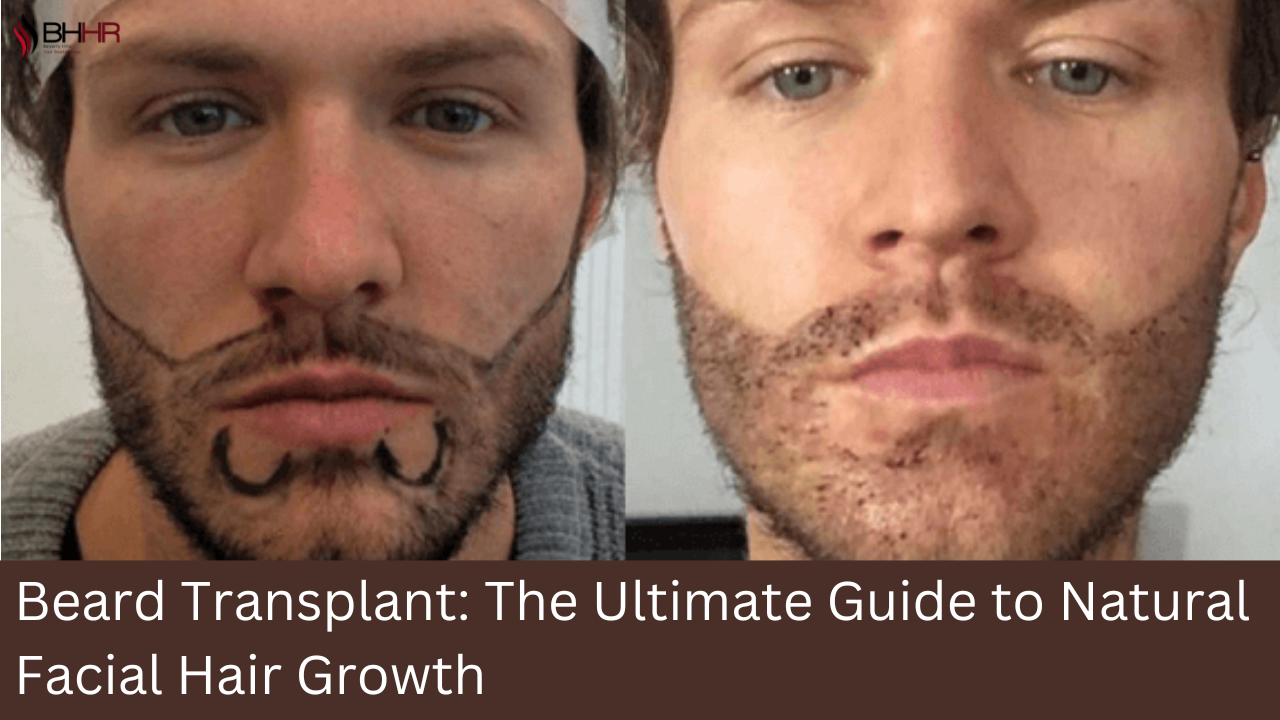
A fuller, well-shaped beard has become a powerful symbol of confidence, maturity, and personal style. Yet, not everyone naturally develops the density or evenness they desire. Patchy growth, thin strands, or slow beard development can affect self-image and make grooming routines feel frustrating. That’s where a beard transplant steps in as a long-term solution for natural facial hair enhancement. In recent years, this procedure has grown in popularity among men seeking a permanent way to redefine their look. What makes it appealing is how naturally the results can blend with your existing facial structure. Before making any decision, it’s important to understand what the recovery process looks like and how proper aftercare ensures the best results. This guide breaks down everything you need to know in a simple, practical, and easy-to-follow way.
Understanding the Beard Transplant Procedure
A beard transplant works by relocating healthy hair follicles—usually from the back of your scalp—to the beard area where growth is weak or missing. These transplanted follicles behave like natural beard hair once they settle and start growing. Surgeons typically use FUE (Follicular Unit Extraction), a minimally invasive technique that involves extracting tiny grafts one by one for precise placement. This creates a smooth, natural appearance that blends seamlessly into the beard pattern. Since each person has unique growth patterns and goals, the number of grafts varies. Some individuals need a little help filling patchy areas, while others aim for a fully restructured beard. Regardless of the goal, proper aftercare becomes the key to ensuring that the newly implanted follicles thrive.
The First Few Days After a Beard Transplant
After the procedure, it’s normal to experience redness, slight swelling, and some scabbing. This is a natural part of healing and nothing to worry about. The first three to five days are crucial because the grafts need time to anchor securely into their new positions. Keeping the area clean without disturbing the follicles is essential. During this stage, you’ll be advised to avoid touching, scratching, or washing the beard directly. Sleeping with your head elevated reduces swelling and helps protect the grafts from accidental friction. It’s also recommended to avoid strenuous activities, heavy sweating, or anything that could irritate the skin. This period might feel a bit inconvenient, but it lays the foundation for strong and healthy growth.
Proper Care During the First Two Weeks
Once the initial days pass, the healing process becomes more comfortable. At this point, gentle cleansing becomes part of your routine, helping reduce dryness and flaking as the skin regenerates. The transplanted area will begin to look more settled, and the scabs gradually fall off on their own. This is when patience matters because you might notice shedding of the transplanted hairs. Many people find this alarming, but it’s actually a normal step in the beard transplant process. The follicles remain intact beneath the skin and will begin producing new hairs in the following months. During these two weeks, avoid direct sunlight, swimming pools, and shaving, as the skin remains sensitive. Allowing it time to fully recover ensures that the new growth emerges stronger.
What to Expect in the Following Months
After the initial healing phase, the waiting period begins. Around the second or third month, new hairs start to appear, usually looking fine or soft at first. This early growth may seem uneven, but it improves as the months go by. By the fourth or fifth month, you’ll see a noticeable difference in beard density and shape. This stage is where confidence really begins to grow, as the results start matching what you envisioned during your consultation. By the ninth month onward, most people experience full, thick growth that feels and behaves just like natural beard hair. For many individuals, this transformation becomes a turning point in their grooming journey and overall self-expression. If follow-ups are needed, your surgeon will guide you through any adjustments or touch-ups.
Healthy Habits to Support Beard Transplant Results
Even though the procedure provides long-term results, your lifestyle plays a big role in supporting the outcome. Consistent skin care helps keep the transplanted area healthy. Eating nutrient-rich foods encourages stronger hair growth from within. Minimizing stress, staying hydrated, and avoiding smoking also contribute to better circulation and healthier follicles. Many individuals also combine their beard transplant results with proper grooming routines once the area has fully healed. Simple habits like gentle exfoliation, mild beard oils, and regular trimming help maintain shape and density. While the transplanted follicles are permanent, caring for them ensures they continue producing strong and natural-looking hairs throughout your life.
Choosing the Right Clinic for Reliable Results
As with any procedure, choosing the right surgeon and clinic is essential for ensuring natural, long-lasting results. Skilled specialists understand how to match hair angles, density, and growth direction to your facial structure. One trusted option that many individuals consider is Beverly Hills Hair Restoration, known for its expertise and precise approach to facial hair procedures. Experienced surgeons not only make the process smoother but also provide step-by-step guidance during recovery, ensuring that every stage of your beard journey is well supported. When you feel confident in your provider, the entire experience—from consultation to final growth—becomes far more comfortable and reassuring.
Conclusion
A beard transplant offers a reliable way to achieve fuller, more defined facial hair that looks and feels completely natural. While the idea of surgery may seem overwhelming at first, understanding the recovery process makes everything much more manageable. Every stage, from the first few days of healing to the gradual growth over several months, plays an important role in shaping the final result. With the right care, patience, and lifestyle habits, the newly transplanted follicles can thrive and deliver long-term improvements. Whether you’re aiming for a thicker beard, sharper lines, or simply filling in patchy areas, this procedure provides a long-lasting solution that enhances both confidence and appearance. By making informed decisions and following proper aftercare, you set yourself up for a successful transformation that reflects your personal style and grooming goals.

 English
 Arabic
 French
 Spanish
 Portuguese
 Deutsch
 Turkish
 Dutch
Dutch
 Italiano
 Romaian
 Portuguese (Brazil)
 Greek
Greek