

Orthopaedic instruments play an important role in modern surgical procedures because they help surgeons treat bone, joint, and musculoskeletal conditions with accuracy and control. These specialized tools support a wide range of procedures, including fracture repair, joint replacement, bone reconstruction, and spinal surgery. Moreover, high-quality instruments help medical professionals perform delicate surgical tasks efficiently while maintaining patient safety. As orthopaedic techniques continue to advance, healthcare facilities increasingly depend on reliable orthopaedic instruments to achieve consistent surgical results.
Understanding Orthopaedic Instruments
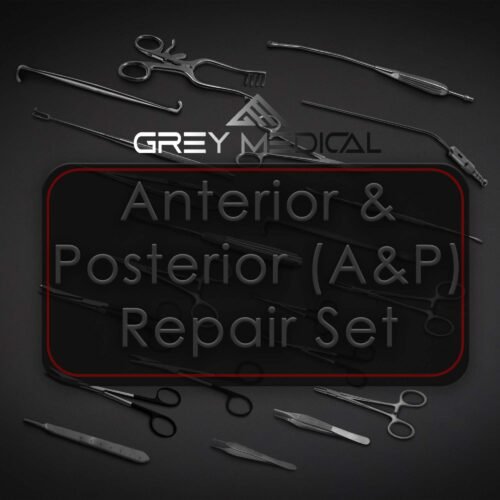
Orthopaedic instruments are specially designed medical tools that surgeons use to examine, manipulate, cut, shape, and repair bones and surrounding tissues. Unlike general surgical instruments, these tools often feature stronger construction and specialized designs to handle the demands of musculoskeletal surgery.
For example, surgeons use bone cutters to remove or reshape bone, while retractors help maintain clear visibility during an operation. Similarly, specialized forceps allow surgeons to hold and position bone fragments during fracture treatment.
Furthermore, manufacturers develop these instruments in different sizes and designs to accommodate various surgical requirements. Therefore, selecting suitable tools helps surgical teams maintain precision and improve workflow throughout different procedures.
Common Types of Orthopaedic Instruments
Orthopaedic surgery requires a broad selection of instruments. Each tool performs a particular function, allowing surgeons to complete specific tasks safely and effectively.
1. Bone Cutters
Bone cutters help surgeons cut and reshape bone during surgical procedures. Their strong construction allows controlled cutting when treating fractures or correcting bone deformities.
2. Bone Holding Forceps
These instruments help surgeons grip and stabilize bone fragments during fracture repair. Their specialized jaws provide a secure hold, making it easier to position bones correctly.
3. Orthopaedic Retractors
Retractors hold back soft tissues and provide better access to the surgical area. Consequently, surgeons can view the operating site more clearly and perform procedures with improved visibility.
4. Bone Rongeurs
Bone rongeurs remove small pieces of bone during surgical procedures. Surgeons commonly use them in bone preparation, reconstruction, and other specialized operations.
5. Osteotomes and Chisels
Osteotomes and surgical chisels help surgeons cut, shape, and separate bone. They come in different shapes and sizes to support specific surgical techniques.
Together, these orthopaedic instruments help surgeons perform a wide range of procedures with greater control and efficiency.
Importance of High-Quality Orthopaedic Instruments
Instrument quality directly affects surgical performance. Reliable tools provide consistent handling, strength, and precision, which are essential during complex procedures. For this reason, healthcare professionals carefully evaluate instrument materials, construction, and functionality before purchasing surgical equipment.
Stainless steel remains a popular material because it offers durability, corrosion resistance, and suitability for repeated sterilization when properly maintained. In addition, well-designed handles improve grip and allow surgeons to maintain better control during delicate operations.
However, quality involves more than material selection. Manufacturers must also maintain accurate dimensions, smooth finishing, and dependable instrument performance. As a result, hospitals and surgical centers should choose products that meet appropriate medical manufacturing and quality requirements.
How to Choose the Right Orthopaedic Instruments
Choosing appropriate periosteal elevators requires careful consideration of several factors. First, healthcare professionals should identify the specific procedures for which they need the instruments. Different operations require different designs, dimensions, and functional features.
Next, buyers should evaluate the material and manufacturing quality. Durable construction helps instruments withstand regular clinical use and appropriate sterilization procedures. Additionally, comfortable handles and balanced designs can improve handling during lengthy operations.
Another important factor is maintenance. Instruments should have designs that allow thorough cleaning and inspection. Surgical teams must follow the manufacturer's instructions for cleaning, sterilization, storage, and routine maintenance.
Finally, purchasing from a reputable manufacturer helps healthcare facilities maintain consistent quality. Therefore, medical professionals should consider product specifications, manufacturing standards, and supplier reliability before making a decision.
Maintenance and Sterilization of Orthopaedic Instruments
Proper maintenance helps preserve instrument performance and extend product life. After each procedure, healthcare professionals should clean instruments according to validated cleaning instructions. Removing blood, tissue, and other contaminants prevents residue from affecting instrument surfaces or functionality.
Furthermore, staff should inspect each instrument for corrosion, cracks, loose joints, and damaged edges. Any instrument showing signs of damage should be removed from service until a qualified professional evaluates it.
Sterilization also plays an essential role in infection prevention. Medical facilities must follow validated sterilization protocols and manufacturer recommendations to ensure instruments remain safe for surgical use.
By maintaining consistent cleaning and inspection practices, healthcare teams can protect instrument quality and support safer surgical environments.
Grey Medical® and Orthopaedic Instrument Quality
Choosing a dependable surgical instrument manufacturer is essential for healthcare professionals who value precision, durability, and consistent performance. Grey Medical® is a privately owned medical technology company dedicated to innovation and excellence in the craft of surgical instrument.
The company recognizes the importance of dependable medical instruments in supporting modern surgical practices. Quality materials, careful manufacturing, and attention to instrument design all contribute to the reliability that medical professionals expect.
Moreover, the development of specialized orthopaedic instruments supports the changing requirements of surgical environments. By focusing on manufacturing quality and innovation, Grey Medical® aims to serve the needs of medical professionals and healthcare facilities.
Conclusion
Orthopaedic surgery depends on specialized tools that support accurate bone handling, cutting, shaping, and reconstruction. From bone cutters and holding forceps to retractors and osteotomes, every instrument serves an important purpose in the operating room. Therefore, selecting durable, well-designed orthopaedic instruments is essential for maintaining surgical efficiency and reliable instrument performance.
Additionally, proper cleaning, sterilization, and maintenance help preserve instrument quality over time. As surgical technology continues to develop, manufacturers must focus on innovation, precision, and dependable construction. Grey Medical® remains committed to innovation and excellence in surgical instrument manufacturing, supporting the evolving needs of modern healthcare.

 English
 Arabic
 French
 Spanish
 Portuguese
 Deutsch
 Turkish
 Dutch
 Italiano
 Russian
 Portuguese (Brazil)
 Greek