

Dental tools are essential instruments used by dental professionals to examine, diagnose, prevent, and treat various oral health conditions. From routine dental checkups to complex surgical procedures, Dental tools support precision, efficiency, and patient comfort. Dentists rely on high-quality tools to maintain oral hygiene, identify dental problems, and perform treatments effectively. Selecting appropriate instruments is important for ensuring reliable performance and maintaining professional standards in dental practices.
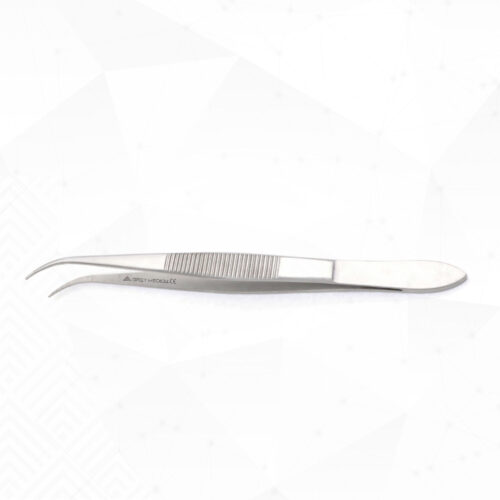
What Are Dental Tools?
Dental tools include a wide range of specialized instruments designed for different clinical applications. These instruments help dentists examine teeth and gums, remove plaque and tartar, prepare teeth for restorative treatments, and perform extractions or other dental procedures. Common examples include dental mirrors, explorers, periodontal probes, scalers, forceps, and dental scissors.
Each instrument serves a specific purpose and is designed to provide suitable handling, visibility, and control. Many professional dental instruments are manufactured from stainless steel because of its durability, corrosion resistance, and suitability for repeated sterilization when properly maintained. Understanding the functions of different instruments helps dental professionals select the right equipment for their daily clinical requirements.
Types of Dental Tools and Their Uses
Different dental tools are designed to support specific stages of dental care. Diagnostic instruments, such as mouth mirrors and explorers, help dentists inspect teeth and identify potential problems. Periodontal probes are used to assess gum health, while scalers and curettes assist in removing plaque and calculus from tooth surfaces.
Restorative instruments support procedures involving fillings and other treatments, while extraction forceps and elevators are used in appropriate tooth removal procedures. Surgical instruments may include scissors, needle holders, and specialized retractors. Each category contributes to an organized workflow and allows dental professionals to perform procedures with greater control and precision.
Importance of High-Quality Dental Tools
High-quality dental tools are important for achieving consistent instrument performance and supporting effective patient care. Well-manufactured instruments offer dependable handling, appropriate strength, and precise working ends. Ergonomic designs can also help dental professionals maintain a comfortable grip during procedures, particularly when performing repetitive tasks.
Durable materials and quality finishing contribute to instrument longevity and help maintain functionality over time. Dental professionals should evaluate instrument construction, intended application, ease of cleaning, and compatibility with validated sterilization procedures before purchasing instruments. Proper inspection, cleaning, sterilization, and storage are equally important for maintaining safety and performance.
Choosing the Right Dental Tools for Your Practice
Selecting suitable dental tools depends on the services offered, the procedures performed, and the needs of the dental team. General dentistry practices may require a comprehensive selection of diagnostic, restorative, and preventive instruments, while specialized clinics may need additional surgical or periodontal equipment.
Dentists and purchasing professionals should prioritize quality manufacturing, functional design, durability, and reliable supply when evaluating instruments. Choosing instruments from reputable manufacturers can help dental practices establish consistent equipment standards and support efficient clinical workflows.
Grey Medical® is a privately owned medical technology company dedicated to innovation and excellence in the craft of surgical instruments. Its commitment to instrument craftsmanship reflects the importance of precision, quality, and reliability in professional healthcare environments.
Conclusion
Dental surgery tool are fundamental to modern dentistry, supporting everything from routine examinations to advanced clinical procedures. Understanding their different types, functions, and quality requirements helps dental professionals make informed purchasing decisions. By selecting durable instruments, following proper maintenance procedures, and prioritizing appropriate clinical use, dental practices can support efficient workflows and high standards of patient care. Investing in reliable dental instruments is an important step toward maintaining a professional and well-equipped dental practice.

 English
 Arabic
 French
 Spanish
 Portuguese
 Deutsch
 Turkish
 Dutch
 Russian
 Romaian
 Portuguese (Brazil)
 Greek