

Picture the final stretch of a long procedure. You reach for your scissors to trim a suture, and instead of a clean snip you get a ragged tug. The blades drag. The thread frays. And a task that should take one second now costs you three — plus a flicker of doubt at exactly the wrong moment. That suture scissors drag is more than an annoyance. Dull, poorly made scissors slow you down, strain your hand, and leave rough ends that complicate wound closure. Multiply that across a busy day, and small failures add up to real fatigue and lost time.
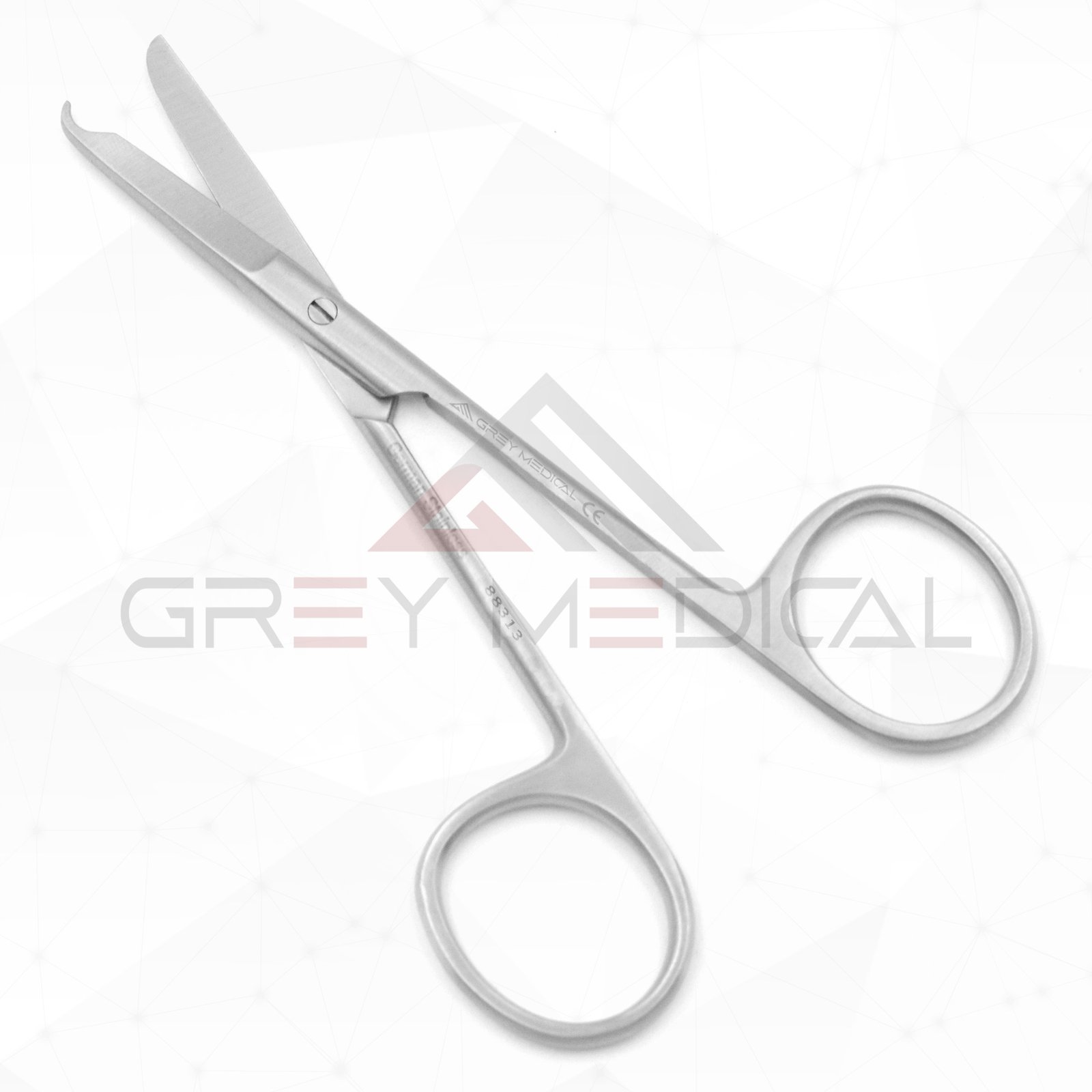
Why the Quality of Your Scissors Shapes Every Closure
Cheap scissors feel fine for the first few weeks. Then the edges dull, the pivot loosens, and every cut turns into a small negotiation between you and your instrument. Here's the honest truth: reliable suture scissors aren't a minor accessory — they're the difference between a clean, confident closure and a frustrating one. When your blades meet with precision every time, you trim faster, leave neater ends, and protect the tissue around the site. A tool that performs consistently protects your rhythm, and your rhythm protects your patient.
The Steel That Separates Great Scissors From Throwaways
Think of your operating scissors like a good pair of kitchen shears. The steel decides everything — how sharp they stay, how well they resist rust, how they feel after a thousand snips. Premium instruments start with high-grade stainless steel that shrugs off corrosion and survives repeated sterilization without warping or dulling. That matters because every autoclave cycle puts stress on the metal. Lower-grade steel breaks down fast, leaving you with soft edges that crush thread rather than cut it. Better steel means a sharper, safer instrument that holds its edge for years, not months.
Blade Design You Can Feel in Your Hand
Why do two pairs that look identical feel worlds apart the moment you use them? The answer lives in the details you can't spot at a glance — the blade angle, the pivot tension, the balance across the whole tool. Well-designed suture scissors align perfectly at the tip, so you can trim close and clean without crushing or slipping. A smooth pivot means less effort per cut, which adds up to far less hand fatigue over a full list of procedures. That fatigue is where slips happen, so a pair that works with your hand keeps your control steady when it matters most.
Meet Grey Medical, Your Partner in Precision Instruments
You want a supplier who treats your craft as seriously as you do — not one who ships the cheapest option and vanishes when the blades go dull. GREY MEDICAL: Welcome to Grey Medical, your trusted partner in premium-quality surgical instruments. With decades of experience in the medical industry, we pride ourselves on delivering precision-crafted tools designed to meet the rigorous demands of surgeons, doctors, and medical professionals worldwide. That experience shows up in every instrument we make — from the steel we select to the final inspection before it reaches your tray.
How the Right Scissors Improve Patient Outcomes
Your patients never notice your instruments when everything goes smoothly. They notice plenty when it doesn't — a longer procedure, extra handling near a fresh wound, a moment of hesitation. Sharp, well-tensioned blades let you trim sutures cleanly on the first pass, with minimal disturbance to the surrounding tissue. Cleaner cuts mean tidier closures, less trauma, and a lower risk of complications down the line. When you invest in quality suture scissors, you're really investing in the outcome your patient walks away with — and the confidence they feel in your care.
What to Look For When You Restock Your Tray
Restocking can feel overwhelming when every catalogue promises the same thing. So how do you cut through the noise and pick a pair that actually lasts? Start by checking the grade of stainless steel and asking whether the instrument holds its edge through repeated sterilization. Open and close the blades a few times — the pivot should feel firm and smooth, never loose or gritty. Test the cut on a length of thread and watch for a clean, effortless slice. Quality suture scissors come from makers who welcome those questions rather than dodge them, because they know their craftsmanship holds up to scrutiny.
Common Mistakes to Avoid
The most common trap? Buying on price alone. A bargain pair that goes dull in six months costs you far more than a quality set that serves you for a decade. Another mistake is skipping proper care. Even the finest blades need correct cleaning, drying, and storage to stay sharp and rust-free — treat them well and they repay you daily. And don't fall into the habit of using suture scissors for tasks they weren't built for, like cutting dressings or heavy material. Ask any single pair to do everything, and you'll dull it fast and lose the clean edge you paid for.
Building a Set That Grows With Your Practice
Your needs today won't match your needs in five years, so a thoughtful set leaves room to expand without forcing you to start over. Choose a supplier whose range covers everything from everyday essentials to specialized instruments, so your tray keeps pace as you add services. Standardizing on one trusted maker also simplifies reordering and keeps the feel of your instruments familiar across the whole set. When your foundation is solid, growing becomes a matter of adding pieces — not replacing broken ones.
Bring Precision and Confidence to Every Cut
Great surgical work depends on the instruments you trust in your hand. Quality steel resists corrosion and holds its edge. Smart blade design eases the strain on your hand and sharpens your control. And a dependable supplier turns restocking from a chore into a simple decision. Together, those things let you close faster, cleaner, and with far more confidence. The next step is simple. Take a hard look at your current tray and set aside any pair that drags, slips, or fights you mid-procedure. Then replace them with precision-crafted instruments built to last. Reach out to Grey Medical today, and let's build a set that performs as reliably as you do — cut after cut, year after year.

 English
 Arabic
 French
 Spanish
 Portuguese
 Deutsch
 Turkish
 Dutch
 Italiano
 Russian
 Portuguese (Brazil)
 Greek