

A traveler landing in a foreign country often needs mobile data before they need anything else. Directions, translation apps, digital tickets, banking services, and messaging all depend on a reliable connection. For travel companies, online marketplaces, fintech platforms, and digital retailers, this creates an opportunity to offer connectivity as part of the customer journey. An eSIM API makes that possible by allowing businesses to sell international mobile data plans directly through their own websites, apps, and checkout systems.
Instead of building relationships with multiple mobile operators or managing physical SIM card inventory, a company can connect its platform to a digital connectivity provider. Through a single integration, customers may be able to browse plans, select a destination, complete payment, and receive an activation QR code without leaving the original service.
What Is an eSIM API?
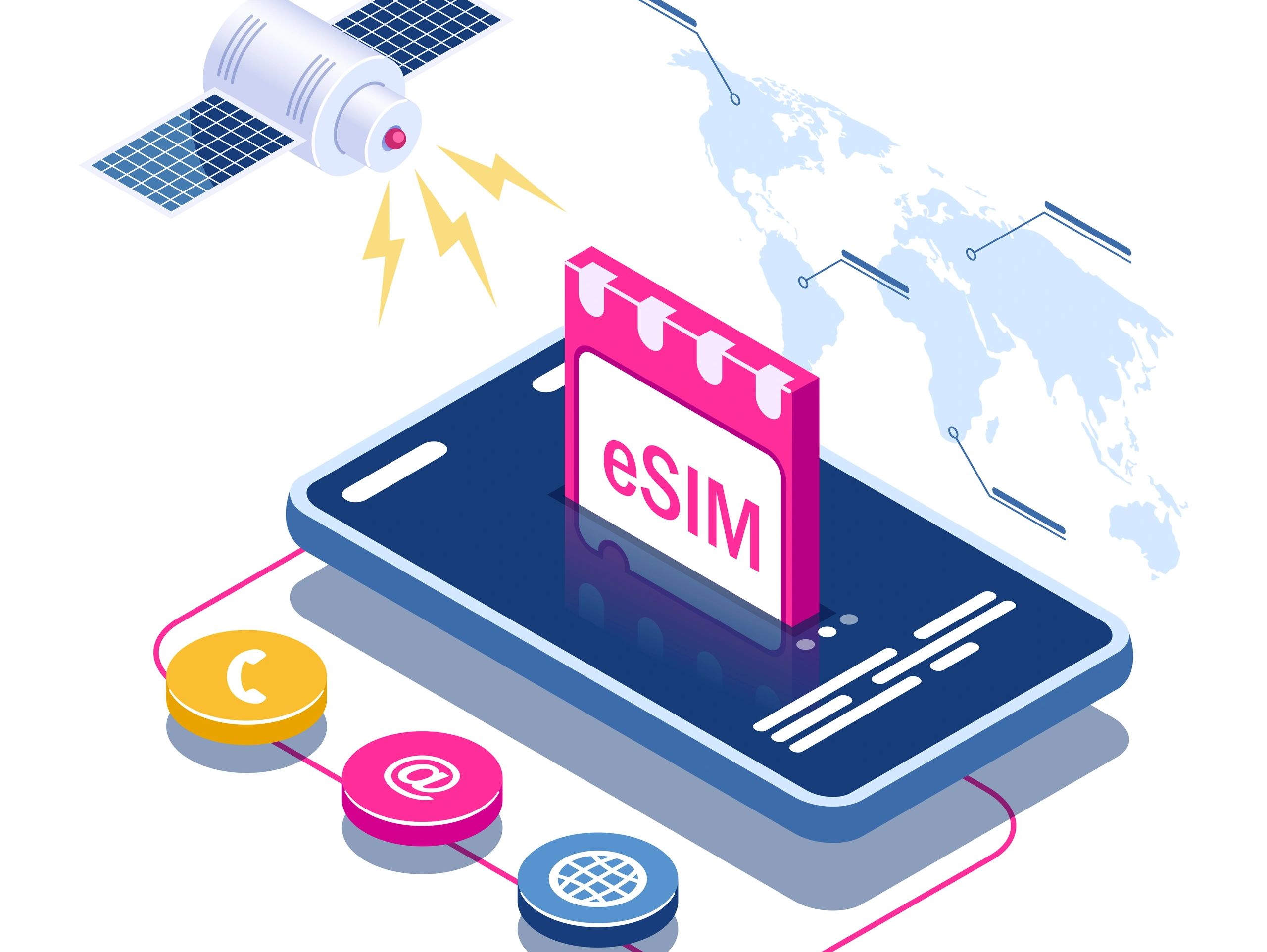
An eSIM API is a technical connection between a business application and an eSIM provider’s platform. It allows software to request information about available mobile data packages, create orders, retrieve activation details, and manage the customer’s eSIM after purchase.
For a reseller, the API acts as the infrastructure behind the product. The company controls the customer-facing experience, while the provider supplies the underlying connectivity and provisioning process.
A typical integration may support:
-
International data plan catalogs
-
Country and regional package searches
-
Data allowance and validity filters
-
Automated order creation
-
QR code delivery
-
Activation status checks
-
Data usage monitoring
-
Top-ups and additional data packages
-
Webhook notifications
-
Order and customer records
Businesses interested in adding this service to their existing product can explore an integration model through https://giftapi.io/, where digital connectivity products can be incorporated into a broader online offering.
Why International Data Plans Are Attractive to Resellers
International mobile data is useful for more than traditional travel agencies. Many types of businesses already have an audience that needs connectivity while abroad.
Travel Agencies and Booking Platforms
A travel agency can offer an eSIM during the booking process, alongside flights, hotels, transfers, or insurance. Customers can purchase a data package before departure instead of searching for a local SIM after arrival.
The service can also be presented as an optional upgrade. For example, a platform might offer a small package for short city breaks, a larger allowance for extended holidays, or a regional plan for customers visiting several countries.
Fintech and Digital Wallet Services
Financial applications can add travel connectivity as an extra digital product. Customers who already use the app for payments or currency exchange may appreciate the ability to purchase mobile data from the same interface.
This approach can make the platform more useful during international trips while creating another source of transaction revenue.
Online Marketplaces and Digital Stores
A digital marketplace can sell eSIM packages alongside other virtual products, such as gift cards, gaming credit, subscriptions, and mobile refills. Since eSIMs are delivered electronically, they fit naturally into an automated digital fulfillment model.
The important point is to keep the catalog organized. Connectivity plans should be easy to find, compare, and purchase without making the customer navigate a complicated telecom-style interface.
Local, Regional, and Global eSIM Packages
An effective eSIM API should provide different types of plans so a reseller can match the offer to each customer’s travel needs.
Single-Country Plans
Local plans are designed for travelers visiting one destination. They may be suitable for a weekend in Spain, a business trip to Japan, or a longer stay in the United States.
The product page should clearly display the supported country, available data allowance, validity period, activation requirements, and any network limitations.
Regional Plans
Regional packages cover multiple countries within a defined area. A Europe plan, for example, may be more convenient for someone visiting France, Italy, Germany, and Austria during the same trip.
These plans reduce the need to purchase separate packages for every border crossing. However, the exact list of covered countries should always be shown clearly before checkout.
Global Plans
Global packages are intended for customers who travel frequently or visit several regions. They may offer coverage across a wide range of destinations, although availability, speed, and data allowances can differ by market.
A well-designed API catalog should allow the reseller to filter plans by destination, region, data volume, and duration.
How the eSIM Sales Workflow Works
The customer experience can be automated through several connected steps.
Display the Available Catalog
The application first requests available plans from the provider. Filters can be used to show packages for a particular country, region, data allowance, or validity period.
The frontend should avoid displaying unclear technical information. Customers usually want to know where the plan works, how much data it includes, how long it lasts, and when they can activate it.
Create the Order
After payment, the business sends an order request to the API. The response may include an order identifier, eSIM profile information, QR code, activation address, and validity details.
Using a unique external order ID is useful because it helps connect the provider’s record with the reseller’s own payment and customer systems.
Deliver the Activation Details
The QR code can be displayed on the confirmation page and sent by email. Some businesses may also include installation instructions in the customer dashboard or mobile application.
The instructions should explain that the customer generally needs a compatible device, an internet connection during installation, and the correct mobile data settings.
Monitor the eSIM Lifecycle
After the order is issued, the eSIM may move through several stages, such as issued, installed, active, low-data, and expired.
Webhook notifications can help the business react to these events automatically. For example, a low-data notification may trigger a top-up offer, while an activation event can update the customer’s order status.
Important Features to Check Before Integration
Not every eSIM API offers the same functionality. Before selecting a provider, businesses should examine several practical details.
First, review destination coverage and network partners. A large country count is useful, but the actual supported destinations and operators matter more for the target audience.
Second, check whether the API supports sandbox testing. A test environment allows developers to validate catalog requests, payment workflows, order creation, and error handling before launching.
Third, confirm how pricing works. Wholesale costs, currency conversion, taxes, retail margins, and balance requirements should be understood before publishing plans.
Device compatibility is another important consideration. Many newer smartphones support eSIM, but not every phone or region does. Showing compatibility information before payment can reduce failed activations and refund requests.
Building a Better Customer Experience
The technical integration is only one part of successful eSIM sales. The product presentation also influences customer satisfaction.
A strong checkout should include:
-
Destination and coverage information
-
Data allowance and validity period
-
Activation instructions
-
Device compatibility guidance
-
Refund and cancellation terms
-
Support contact details
-
A clear QR code delivery process
It is also helpful to explain when the validity period begins. Depending on the plan, the countdown may start at installation, first network connection, or another defined activation event. This detail should never be hidden in complicated terms.
With the right API, international mobile data becomes more than a separate telecom product. It can become a useful digital add-on inside travel booking, financial services, online marketplaces, and customer loyalty platforms. By combining accurate plan information, automated fulfillment, lifecycle monitoring, and clear instructions, businesses can offer travelers a convenient way to stay connected wherever their next journey takes them.

 English
 Arabic
 French
 Spanish
 Deutsch
 Turkish
 Dutch
 Italiano
 Russian
 Romaian
 Portuguese (Brazil)
 Greek