

Anatomical forceps are specialized surgical instruments designed to handle delicate tissues during medical procedures. Their serrated or atraumatic tips provide a secure grip while helping minimize unnecessary tissue damage. Anatomical forceps are commonly used in general surgery, anatomy, dissection, and various specialized surgical applications where controlled tissue handling is essential. Their ergonomic design also allows medical professionals to maintain precision and stability during procedures.
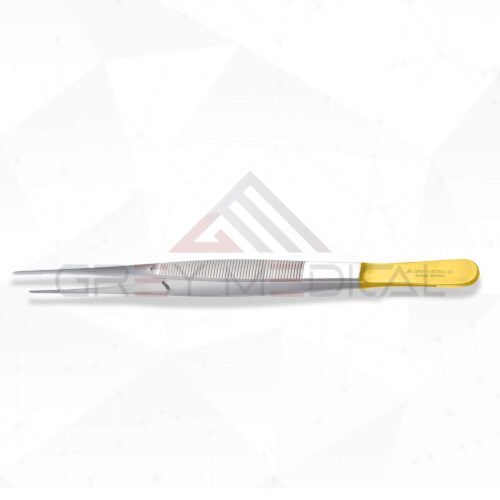
Design and Construction of Anatomical Forceps
High-quality anatomical forceps are manufactured with precision to provide reliable performance in demanding clinical environments. Surgical-grade stainless steel is commonly used because it offers durability, corrosion resistance, and compatibility with sterilization processes. The jaws are carefully engineered to provide an effective grip without applying excessive pressure to delicate tissues. Smooth handles and balanced construction further improve comfort and control during extended procedures.
Uses of Anatomical Forceps in Surgery
Anatomical forceps are widely used for grasping, holding, separating, and manipulating soft tissues. Surgeons may use them when positioning tissue during an operation or when a controlled grip is needed without cutting or damaging the surrounding structures. These instruments can also be useful during dissection and laboratory procedures. Their versatility makes them an important component of many surgical instrument sets used by healthcare professionals.
Features That Support Surgical Precision
The effectiveness of anatomical forceps depends on their tip design, handle construction, material quality, and overall balance. Fine tips can provide greater control when working with small or sensitive structures, while serrated surfaces help maintain a stable grip. A well-balanced instrument can reduce hand fatigue and improve maneuverability. Properly finished surfaces also support easy cleaning and sterilization, making the instrument suitable for repeated professional use when maintained according to appropriate protocols.
Choosing Quality Surgical Instruments
Selecting reliable anatomical forceps is important for healthcare facilities seeking consistent performance and long-term value. Medical professionals should consider the instrument's dimensions, jaw configuration, material, finish, and intended application before making a selection. Quality manufacturing can contribute to dependable handling and durability. Proper inspection, cleaning, sterilization, and maintenance are also essential for preserving the instrument's condition and supporting safe clinical use.
Why Choose GreyMedical®️?
GreyMedical®️ is a privately owned medical technology company dedicated to innovation and excellence in the craft of surgical instruments. The company focuses on developing and supplying medical instruments designed to meet the practical requirements of healthcare professionals. Its commitment to quality and precision makes its range suitable for medical environments where dependable surgical tools are essential. Anatomical forceps from a trusted medical instrument manufacturer can support accurate tissue handling and efficient surgical workflows.
Conclusion
Anatomical forceps remain valuable tools for procedures that require careful tissue manipulation and controlled handling. Their precision tips, durable construction, and ergonomic designs make them suitable for a wide range of medical and surgical applications. Choosing properly manufactured instruments and maintaining them correctly can help healthcare professionals achieve reliable performance. With a focus on precision and quality, GreyMedical®️ provides surgical instruments designed to support modern healthcare practices.

 English
 Arabic
 French
 Spanish
 Deutsch
 Turkish
 Dutch
 Italiano
 Russian
 Romaian
 Portuguese (Brazil)
 Greek