
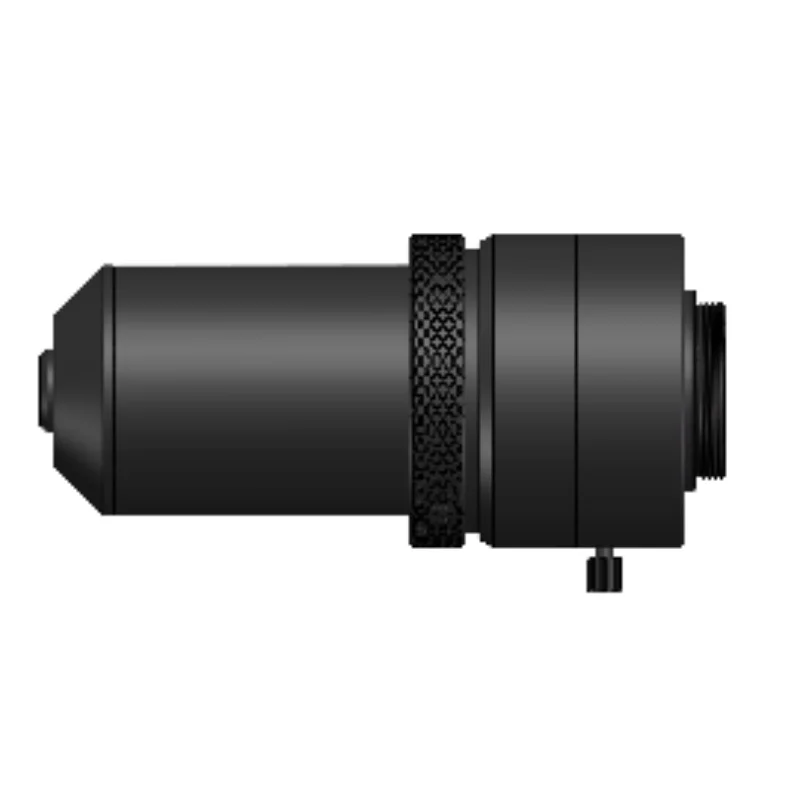
Advanced optical systems depend on carefully engineered components to deliver accurate and consistent visual information. In applications involving optical inspection, measurement, imaging, and analysis, specialized lenses can play an important role in controlling and interpreting light. A precision conoscope lens can provide valuable optical capabilities for systems that require detailed analysis of light characteristics and viewing information.
Conoscopic optical systems are designed to examine light behavior from specific optical perspectives. This makes specialized lens components useful in applications where engineers and researchers need to analyze optical properties rather than simply produce a conventional image. The right lens can contribute to accurate observation and help an optical system collect useful information from the subject being examined.
A conoscope lens can be incorporated into specialized optical arrangements where precise light management is important. Lens geometry, material selection, surface quality, and optical alignment can all influence the final performance of the system. For this reason, manufacturers need to consider the complete optical architecture when selecting a suitable lens.
Optical precision is particularly important in inspection and measurement applications. Even small variations in optical components can influence image quality or measurement results. High-quality manufacturing can help ensure that lens components meet specified dimensional and optical requirements, supporting more consistent performance across different systems.
Conoscope lenses can also be useful when analyzing optical characteristics through specialized viewing arrangements. Depending on the system design, optical information may need to be observed across different angles or within specific viewing conditions. A carefully selected lens can help engineers develop systems capable of collecting and presenting this information effectively.
Compact optical design is another consideration for modern equipment. Many inspection and imaging systems are becoming smaller while incorporating increasingly sophisticated functions. Specialized lenses can be designed to fit within compact optical assemblies, helping manufacturers optimize available space without compromising the intended optical configuration.
Material selection also plays a significant role in optical lens performance. Different applications may require specific transmission characteristics, environmental resistance, or dimensional stability. Engineers should evaluate the operating environment and optical requirements before selecting a lens material. This approach can help ensure compatibility with the rest of the optical system.
Surface quality is equally important. Optical surfaces need to be manufactured carefully to minimize unwanted effects that could interfere with visual analysis. Precision finishing and appropriate quality control can contribute to reliable light transmission and consistent imaging performance.
The applications of specialized conoscope lenses can extend across optical inspection, research equipment, imaging systems, measurement instruments, and other technologies where detailed optical analysis is required. The exact configuration will depend on the intended use, but the underlying requirement remains the same: precise control and interpretation of optical information.
When selecting a conoscope lens, manufacturers should evaluate factors such as optical specifications, lens dimensions, material, surface quality, transmission characteristics, viewing requirements, and system compatibility. Understanding these factors can help engineers choose a component that integrates effectively into the final optical architecture.
Reliable optical components can also improve consistency in repeated measurements and inspections. When equipment is used for quality control or technical analysis, predictable optical performance is essential. High-quality lens components can help support repeatable operation and reduce potential inconsistencies caused by unsuitable optical elements.
As optical technology continues to advance, specialized lenses are becoming increasingly important in sophisticated measurement and analysis systems. A well-engineered conoscope lens can support detailed optical observation while providing manufacturers with greater flexibility when designing advanced imaging and inspection equipment.
For companies developing precision optical systems, choosing the right lens is an important step toward achieving reliable performance. With appropriate specifications, precise manufacturing, and careful integration, conoscope lens technology can contribute to effective optical analysis, consistent imaging, and specialized measurement capabilities. As demand grows for more accurate and compact optical equipment, precision lens solutions will remain an essential part of advanced optical system development.

 English
 Arabic
 French
 Spanish
 Deutsch
 Turkish
 Dutch
 Italiano
 Russian
 Romaian
 Portuguese (Brazil)
 Greek