
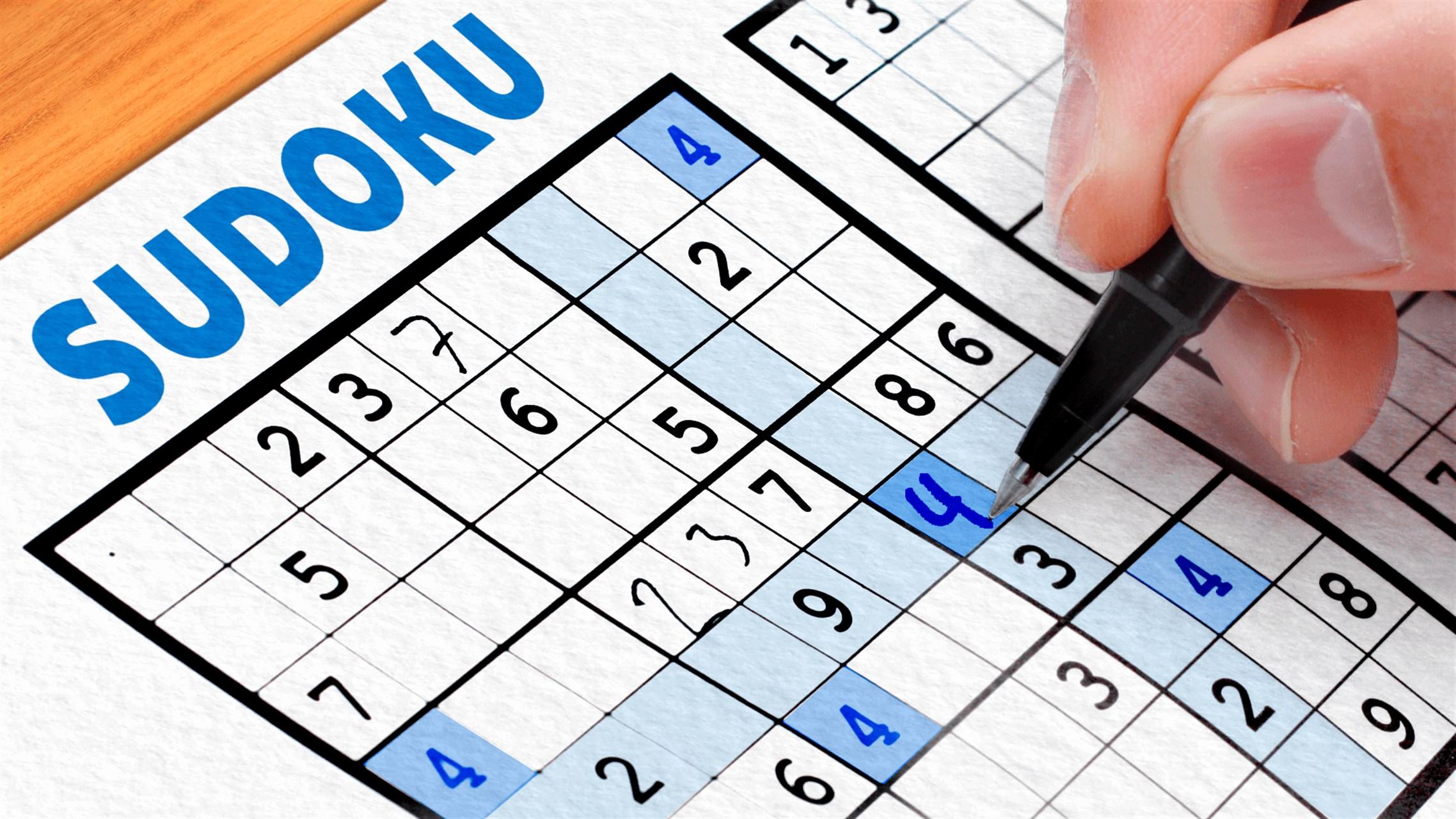
It Started as a Way to Kill Time
I used to think Sudoku was just a “filler activity.”
You know—something you do when you’re bored, waiting in line, or trying to avoid awkward small talk. It didn’t seem like the kind of game you’d care about. No storyline, no characters, no flashy rewards. Just numbers in a grid.
But one random evening changed that.
I was lying in bed, too tired to watch anything but not sleepy enough to close my eyes. So I opened a puzzle and started playing. Nothing special—just another attempt to pass time.
Except… I didn’t stop.
One puzzle turned into two. Then three. Before I knew it, I was fully focused, completely immersed, and weirdly invested in finishing “just one more.”
That’s when it hit me: this wasn’t just a game anymore.
The Unexpected Mental Workout
It Sneaks Up on You
At first glance, Sudoku looks simple.
Fill in numbers from 1 to 9. No repeats. Easy, right?
But once you really get into it, you realize how much thinking is involved. It’s not about math—it’s about logic, observation, and patience.
And the crazy part? You don’t even notice your brain working harder.
It just… happens.
You start analyzing patterns, predicting outcomes, and double-checking possibilities without even realizing it. It’s like your brain quietly shifts into problem-solving mode.
That “Wait… Let Me Think” Moment
Have you ever paused mid-puzzle and just stared at the grid?
Not because you’re confused—but because you’re thinking.
That moment where everything slows down, and you’re carefully considering your next move. It’s not stressful—it’s focused.
And honestly, in today’s fast-moving world, that kind of moment feels rare.
A Love-Hate Relationship
The Joy of Progress
There’s something deeply satisfying about making progress in Sudoku.
Not necessarily finishing the whole puzzle—but just finding one number that unlocks everything else. It’s like discovering a hidden key.
You place it, and suddenly new possibilities appear. The grid starts opening up, and you feel back in control.
Those small wins keep you going.
The Frustration Is Real
But let’s not pretend it’s all smooth sailing.
There are moments when the puzzle feels impossible. You check every row, every column, every box—and still nothing.
It’s the kind of frustration that makes you question your logic, your patience, and sometimes your sanity.
I’ve had times where I just stared at the screen and said, “There’s no way this is solvable.”
And yet… it always is.
My Most Relatable Mistake
The “I’ll Just Guess” Trap
At some point, every player falls into this trap.
You get stuck. You’re tired. And instead of thinking it through, you just… guess.
“Maybe it’s a 7.”
And sometimes, it even works—for a while.
But sooner or later, everything collapses. The numbers stop making sense. The grid becomes a mess. And you realize that one tiny guess caused all of it.
It’s both funny and painful.
Now, whenever I feel tempted to guess, I remember those moments—and take a deep breath instead.
The Best Feeling Ever
Finishing a Tough Puzzle
There’s no better feeling than completing a difficult Sudoku puzzle.
Not the easy ones. Not the quick wins. I’m talking about the ones that made you struggle. The ones that made you stop, rethink, and almost give up.
When you finally place that last number, it’s like a wave of relief hits you.
You lean back, look at the finished grid, and just smile.
It’s such a simple achievement—but it feels big.
A Quiet Sense of Pride
No one’s clapping. No one’s watching.
But you know what you just did.
And that’s enough.
Where This Game Fits in My Life
A Personal Reset Button
Whenever I feel overwhelmed, I turn to Sudoku.
Not because it solves my problems—but because it gives my mind a break from them.
For a few minutes, everything else disappears. It’s just logic, patterns, and focus.
And somehow, that helps me come back clearer.
A Small Daily Habit
I don’t play for hours every day.
Sometimes it’s just one puzzle. Sometimes none at all.
But it’s always there—ready when I need it.
And I like that.
Things I Wish I Knew Earlier
You Don’t Need to Be “Good” at It
I used to think you had to be smart or experienced to enjoy Sudoku.
Not true.
You just need patience and a willingness to learn. Everyone starts somewhere.
It’s Not About Speed
Finishing quickly doesn’t make the experience better.
In fact, rushing often leads to mistakes.
Taking your time, thinking carefully—that’s where the real satisfaction comes from.
Getting Stuck Is Part of the Game
If you never get stuck, you’re probably not challenging yourself enough.
Struggle isn’t a sign of failure—it’s part of the process.
Funny Little Moments
Playing While Half-Asleep
I’ve tried solving puzzles when I was half-asleep.
Bad idea.
I’d place numbers confidently, only to realize the next day that nothing made sense. It’s like my brain just gave up halfway through.
Still, it’s kind of funny looking back.
That One Number You Keep Missing
You ever scan the same row five times and still miss the obvious answer?
Then suddenly you see it—and feel both relieved and slightly embarrassed?
Yeah. Happens to me all the time.
Why It Still Feels Fresh
Even after playing for a while, Sudoku doesn’t feel repetitive.
Every puzzle is different. Every challenge is new.
And every time you sit down to play, it’s a slightly different experience.
Some days, everything clicks. Other days, nothing makes sense.
But that unpredictability is part of the charm.
Final Thoughts
I never expected to enjoy Sudoku this much.
What started as a simple way to pass time turned into something more meaningful—a daily habit, a mental exercise, and even a small source of joy.

 English
 Arabic
 French
 Spanish
 Portuguese
 Deutsch
 Turkish
 Dutch
Dutch
 Italiano
 Russian
 Portuguese (Brazil)
 Greek
Greek