
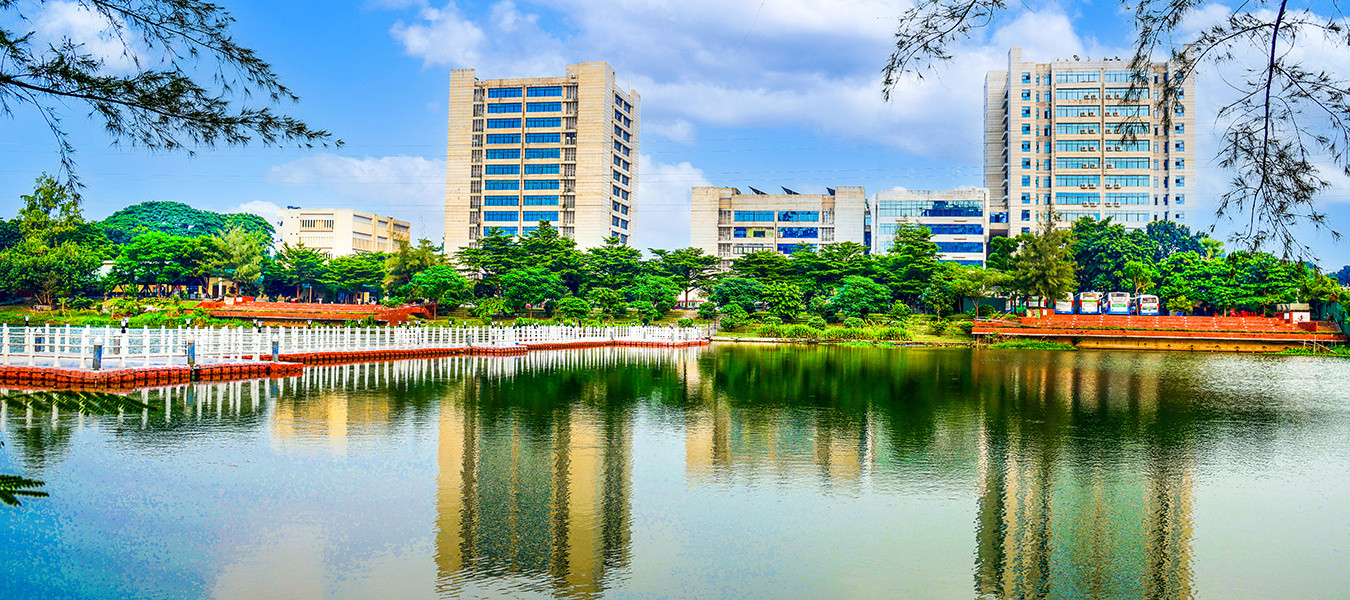
MBBS in Bangladesh for medical students is emerging as one of the strongest alternatives to pursuing MBBS in India, especially for students who are unable to secure a government medical seat in India but still want quality education, recognized degrees, strong clinical exposure, and affordable fees. When comparing Study MBBS in Bangladesh vs India: Fees, Quality, Recognition & Opportunities, it becomes clear that both countries have their own strengths. However, practical realities such as high competition, limited seats, and extremely high private college fees in India make Bangladesh a highly practical and beneficial choice for many aspirants. Below is a detailed, properly structured, and comprehensive comparison to help students and parents make an informed decision.
Study MBBS in Bangladesh vs India: Fees, Quality, Recognition & Opportunities
Introduction
Every year, lakhs of Indian students appear for NEET with the dream of becoming a doctor. But due to limited seats in government medical colleges and high tuition fees in private colleges, many students either give up their dreams or start searching for better study options abroad. Among all MBBS abroad destinations, Bangladesh stands out because its education pattern, clinical exposure, disease spectrum, and medical curriculum are very similar to India. This makes the transition easy and improves the chances of success in FMGE/NExT and future medical practice.
Course Duration Comparison
The duration of MBBS in both countries is quite similar.
-
Bangladesh: 5 years of academic study + 1 year compulsory internship
-
India: 4.5 years of academic study + 1 year compulsory internship
Both follow a phased learning structure, including pre-clinical, para-clinical, and clinical training. Students receive strong hospital exposure during their programs in both countries.
Fee Structure: Bangladesh vs India
Cost is one of the biggest deciding factors. While India offers government colleges at very low fees, securing those seats is extremely difficult. Most students who miss government seats need to depend on costly private colleges, whereas Bangladesh offers high-quality education at significantly lower fees.
MBBS Fees Comparison Table
| Country | Government College Fees | Private College Fees | Hostel & Living Cost |
|---|---|---|---|
| Bangladesh | Not applicable for foreign students | ₹25 – ₹45 Lakhs (Total Package) | ₹8,000 – ₹15,000/month |
| India | ₹1 – ₹5 Lakhs total (Government) | ₹70 Lakhs – ₹1 Crore+ | ₹8,000 – ₹20,000/month |
Key Observations
-
Getting a government MBBS seat in India requires extremely high NEET ranks.
-
Private MBBS colleges in India are extremely expensive and often unaffordable.
-
Bangladesh offers structured fees, no donation, and affordable living costs.
Admission Process Comparison
India
-
NEET qualification is mandatory.
-
Very high cut-off required for government colleges.
-
Extremely limited seats compared to applicants.
-
Private colleges involve very high tuition fees.
Bangladesh
-
NEET qualification is required for Indian students.
-
Selection based on Class 12 scores, majorly Biology and overall PCB percentage.
-
Transparent and straightforward admission procedure.
-
No capitation or donation fees.
Bangladesh becomes a practical solution for students who qualify NEET but fail to secure Indian government college admission.
Quality of Education and Teaching Methodology
Both India and Bangladesh follow a high-standard medical curriculum aligned with international medical education norms. However, Bangladesh holds a special advantage for Indian students because of its similarity with Indian medical education.
Reasons Bangladesh Offers Excellent Education
-
Curriculum similar to India
-
English-medium instruction
-
Qualified and experienced faculty
-
Well-equipped laboratories and hospitals
-
Strong emphasis on clinical exposure
-
Large patient flow ensuring real-time learning
Thus, while both India and Bangladesh offer excellent quality education, Bangladesh provides world-class training at an economical budget.
Degree Recognition and Global Acceptance
Bangladesh MBBS Degree Recognition
Medical universities in Bangladesh are recognized by:
-
National Medical Commission (NMC), India
-
World Health Organization (WHO)
-
Bangladesh Medical & Dental Council (BMDC)
-
Listed in World Directory of Medical Schools (WDOMS)
Graduates are eligible to appear for:
-
FMGE/NExT (India)
-
USMLE (USA)
-
PLAB (UK)
-
GMC and other international licensing exams
India MBBS Degree Recognition
-
Highly respected globally
-
Recognized by NMC and WHO
-
Strong institutional and professional value
Both countries provide globally valid medical qualifications. However, Bangladesh offers international recognition at a much lower cost.
FMGE/NExT Performance and Success Rate
Bangladesh consistently records one of the highest FMGE passing percentages among all MBBS abroad destinations because:
-
The syllabus closely matches Indian MBBS curriculum.
-
Disease patterns and healthcare training resemble India.
-
Students receive extensive clinical exposure.
-
Strong academic focus and structured learning.
Indian graduates do not require FMGE, but once NExT becomes a common regulatory exam, assessment standards will be uniform.
Language, Culture, and Living Environment
Cultural similarity is a major plus point for Bangladesh.
-
Bengali and English are widely spoken.
-
Food habits, lifestyle, and climate are similar to India.
-
Students face minimal cultural shock.
-
Friendly environment and disciplined campus rules.
-
Indian community presence ensures emotional comfort.
Unlike Europe, Russia, and Central Asia, students adjust very comfortably in Bangladesh.
Internship and Clinical Exposure
Bangladesh ensures excellent hands-on training through internships in reputed hospitals. Students work with real patients, practice in busy hospitals, and build strong clinical confidence. India also offers excellent internship exposure, but the workload and competition are comparatively higher.
Safety, Accommodation, and Living Standards
Bangladesh provides a safe environment for international students. Separate hostels for boys and girls, secure campus arrangements, availability of Indian food, and reasonable cost of living make it an ideal study destination.
Career Opportunities After MBBS
After MBBS from Bangladesh
Students can:
-
Return to India and clear FMGE/NExT for practice.
-
Pursue MD/MS in India.
-
Apply for PG in USA, UK, Canada, Europe, Gulf countries.
-
Work globally after required licensing exams.
After MBBS from India
-
Direct entry into Indian PG system.
-
High demand and respect in India and abroad.
Both degrees open excellent career pathways.
Final Comparison Summary
| Factor | Bangladesh | India |
|---|---|---|
| Fees | Affordable | Very High (Private) |
| Admission | Easier | Highly Competitive |
| Education Quality | Excellent | Excellent |
| Recognition | Global | Global |
| FMGE Success | High | Not Required (Currently) |
| Living Cost | Low | Moderate to High |
| Cultural Comfort | Very High | Native |
| Internship & Exposure | Strong | Strong |
Final Verdict
If a student secures a government medical seat in India, it remains the best option. However, if not, instead of spending ₹80 Lakhs to ₹1 Crore on private MBBS colleges in India, choosing MBBS in Bangladesh is a smart, affordable, academically strong, and career-secure decision. Bangladesh offers high-quality education, strong clinical exposure, familiar culture, globally recognized degrees, and excellent FMGE/NExT outcomes, making it one of the best choices for aspiring doctors.

 English
 Arabic
 French
 Spanish
 Deutsch
 Turkish
 Dutch
Dutch
 Italiano
 Russian
 Romaian
 Portuguese (Brazil)
 Greek
Greek